
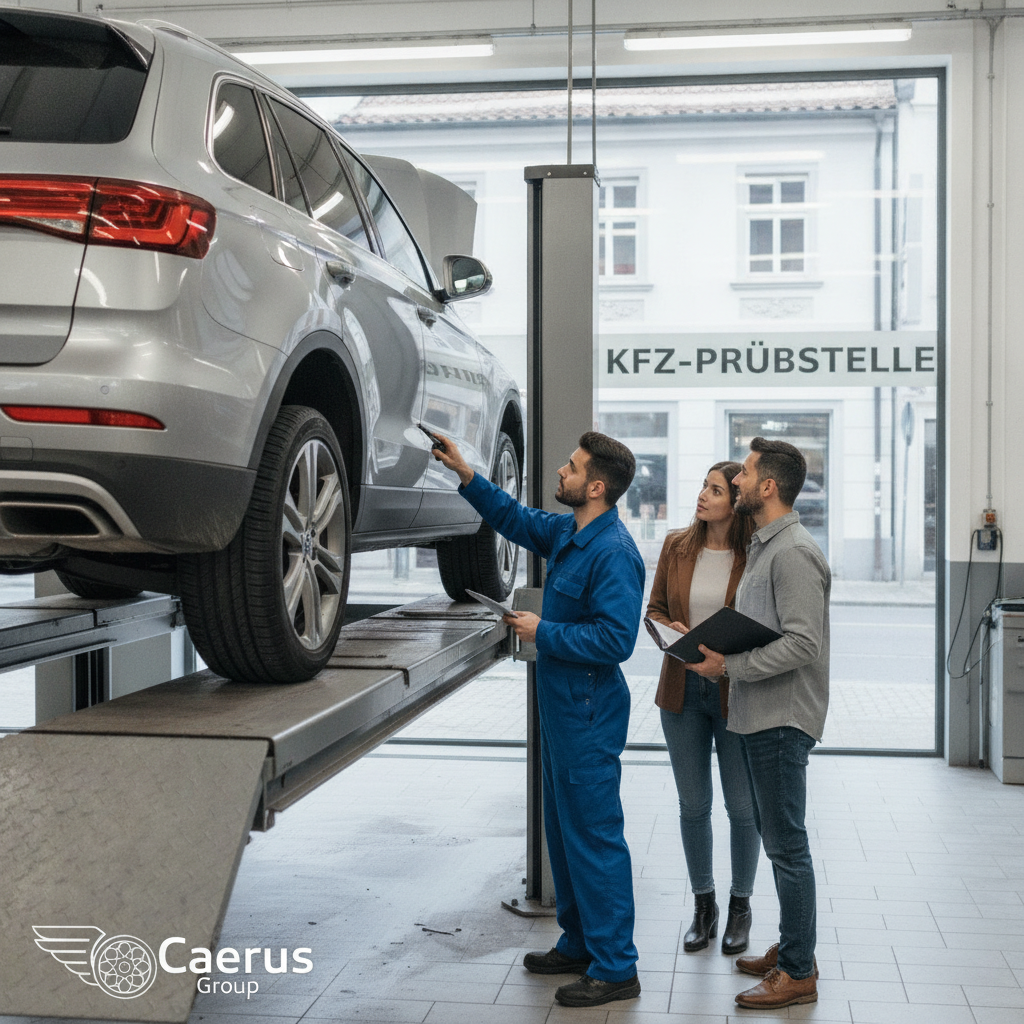
For many car enthusiasts and practical buyers in Spain, the German second-hand vehicle market represents the gold standard. Germany offers a vast inventory of high-end vehicles, including brands like BMW, Mercedes-Benz, Audi, and Porsche, often at more competitive prices and with higher specifications than those found locally. However, purchasing a vehicle across borders comes with a unique set of challenges. The most critical step in this international transaction is ensuring the vehicle's condition through a professional car inspection in Germany before buying.
At Caerus Group, we specialize in helping Spanish clients navigate the complexities of importing vehicles and handling all the necessary registration paperwork. We understand that the excitement of finding a dream car online can sometimes overshadow the technical risks. This guide explores why a pre-purchase inspection is non-negotiable and how it can save you thousands of Euros in the long run.
Why the German Market is Attractive for Spanish Buyers
The German automotive market is one of the largest and most regulated in the world. Cars in Germany are often better maintained due to the country’s strict roadworthiness standards and the cultural tendency to follow manufacturer service schedules meticulously. Furthermore, German highways, or Autobahns, allow for long-distance travel that is generally less taxing on a car's gearbox and engine compared to the stop-and-go traffic of Mediterranean cities.
However, the German climate poses its own risks. The heavy use of salt on roads during winter can lead to significant underbody corrosion, a detail that might not be visible in high-resolution sales photos. This is where a specialized car inspection in Germany before buying becomes your most valuable tool.
The Importance of a Car Inspection in Germany Before Buying
Distance is the biggest hurdle for Spanish buyers. Traveling to Munich, Berlin, or Hamburg just to view a car is expensive and time-consuming. Relying solely on the seller's word or a digital "Checkbook" (Scheckheftgepflegt) is a risk no buyer should take. A professional car inspection in Germany before buying provides an objective, third-party assessment of the vehicle's true state.
This inspection covers several vital areas:
1. Mechanical and Technical Evaluation
An expert mechanic will check the engine, transmission, braking system, and suspension. They look for leaks, unusual noises, and wear and tear that shouldn't be present given the car's recorded mileage. With modern vehicles, an electronic diagnostic check is also essential to uncover hidden fault codes in the ECU.
2. Bodywork and Structural Integrity
One of the main goals of an inspection is to detect if the car has been involved in an accident. Professionals use paint thickness gauges to identify areas that have been repainted or filled. They also check the chassis for signs of welding or straightening, which could compromise the vehicle's safety in the future.
3. Odometer Verification
While Germany has strict laws against "clocking" (rolling back the odometer), it still happens. A thorough inspection cross-references the mileage with service records, wear on the interior (steering wheel, pedals, seats), and digital logs to ensure the numbers match the reality.
Working with Recognized Authorities
In Germany, certain organizations are synonymous with automotive trust. For a truly reliable report, many buyers look for inspections certified by entities like TÜV SÜD or DEKRA. These organizations provide comprehensive "Used Car Checks" that are recognized throughout Europe. Having a report from one of these authorities gives you immense leverage during price negotiations and provides peace of mind before you wire any funds.
Legal and Documentation Checks
A car inspection in Germany before buying isn't just about the hardware; it’s also about the "software"—the paperwork. The inspector or your consultancy partner should verify the Zulassungsbescheinigung Teil I and Teil II (the German registration documents). Ensuring that the vehicle is free of liens, has a valid TÜV (HU/AU) certificate, and possesses a clear ownership history is vital for the subsequent registration process in Spain.
At Caerus Group, we often see clients who purchased a car that looked perfect but lacked the CoC (Certificate of Conformity). Without this document, registering the car in Spain becomes significantly more expensive and complicated, as it may require a "Ficha Técnica Reducida" or even a single-vehicle approval process.
How Caerus Group Simplifies the Process
Once the car inspection in Germany before buying is complete and you have decided to proceed with the purchase, the next challenge begins: bringing the car to Spain and making it legal to drive on Spanish roads. This is where Caerus Group excels. We bridge the gap between the German purchase and the Spanish driveway.
Our services include:
- Reviewing the German documentation to ensure it meets Spanish "Matriculación" requirements.
- Managing the payment of the Impuesto Especial sobre Determinados Medios de Transporte (Registration Tax).
- Handling the ITV (Inspección Técnica de Vehículos) appointment and requirements for imported cars.
- Securing the final Spanish license plates and registration document (Permiso de Circulación).
Conclusion: Investment vs. Expense
It is tempting to skip the professional inspection to save a few hundred Euros, especially when the car comes from a seemingly reputable German dealership. However, viewing a car inspection in Germany before buying as an investment rather than an expense is the mark of a savvy buyer. It protects you from "lemons," helps you negotiate a better price, and ensures that your new vehicle will pass the Spanish ITV without costly repairs.
If you are considering importing a vehicle from Germany, let Caerus Group handle the bureaucracy. We ensure that your transition from German Autobahns to Spanish roads is seamless, legal, and stress-free. Contact us today to learn more about our registration services and how we can support your next international car purchase.