
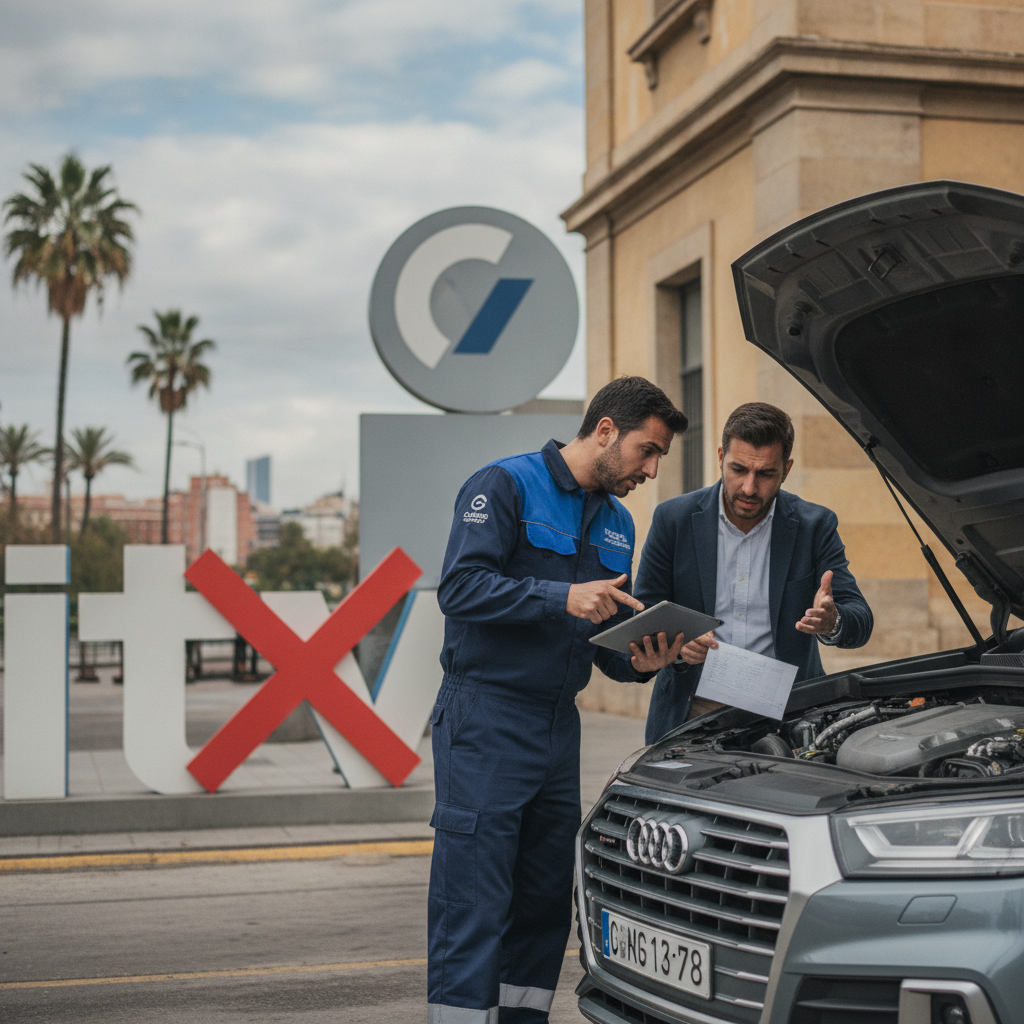
Importing a vehicle into Spain is a dream for many car enthusiasts and expatriates. Whether it is a classic vintage model from the United States, a high-performance German sedan, or a practical family SUV from the United Kingdom, the allure of driving your preferred vehicle on the scenic Spanish roads is undeniable. However, the excitement of a new acquisition can quickly be overshadowed by the complexities of the Spanish bureaucratic system, specifically the Technical Vehicle Inspection, known locally as the ITV (Inspección Técnica de Vehículos).
At Caerus Group, we specialize not only in providing premium vehicles but also in streamlining the registration process for our clients. We understand that the most significant hurdle in this journey is often related to import car ITV issues. Navigating these technical and administrative waters requires precision, patience, and a deep understanding of current Spanish legislation. In this article, we will explore the common pitfalls owners face and how to ensure your imported vehicle passes inspection without unnecessary delays.
The Critical Role of the ITV in the Registration Process
Before any imported vehicle can be legally driven on Spanish roads with Spanish license plates, it must undergo a specific type of inspection called the "ITV previa a la matriculación" (Pre-registration ITV). Unlike the standard annual or biennial inspections for cars already registered in Spain, this inspection is much more rigorous. The technician’s goal is to verify that the vehicle complies with European and Spanish safety and environmental standards.
The primary source of import car ITV issues stems from the differences in manufacturing standards across different regions. A car that was perfectly legal in its country of origin may not meet the specific "homologación" (homologation) requirements in Spain. This is why having the correct documentation, such as the Certificate of Conformity (COC) or a "Ficha Técnica Reducida," is non-negotiable.
Common Import Car ITV Issues You Should Know
When bringing a car into Spain, several technical aspects can lead to a "favorable with defects" or, worse, an "unfavorable" result. Understanding these common import car ITV issues beforehand can save you both time and money.
1. Lighting and Signaling: This is perhaps the most frequent issue for cars imported from non-EU countries or the UK. In Spain, vehicles must have specific lighting configurations. For example, cars from the UK often require a complete replacement of the headlamp units because the beam pattern is designed for driving on the left, which would blind oncoming traffic in Spain. Additionally, the position and color of fog lights and indicators must strictly adhere to EU directives.
2. Emissions and Environmental Standards: Spain has become increasingly strict regarding vehicle emissions, particularly in major cities like Madrid and Barcelona. If your imported car does not meet the minimum Euro standards required for its age, or if its CO2 emissions are not properly documented, you may face significant hurdles. The ITV station will verify the engine code and ensure the exhaust system has not been modified in a way that violates Spanish environmental laws.
3. Tire and Wheel Specifications: It is not uncommon for owners to upgrade their wheels or tires. However, if the tires on your imported car do not match the specifications listed in the manufacturer’s technical data sheet (or the equivalencies allowed by Spanish law), the vehicle will fail the inspection. This includes checking the load and speed ratings, which must meet or exceed the original requirements.
4. Non-Homologated Modifications: Any modification made to the vehicle—such as aftermarket suspensions, tinted front windows, or non-standard spoilers—must be documented and approved. In Spain, many modifications require a "Proyecto de Reforma" (Reform Project) signed by a specialized engineer. Without this, these modifications become major import car ITV issues that prevent registration.
The Importance of the Certificate of Conformity (COC)
To avoid most import car ITV issues, the Certificate of Conformity is your most valuable asset. This document, issued by the manufacturer, proves that the vehicle was built to meet the standards required for the European market at the time of production. If you have a COC, the ITV process is generally much smoother as it provides the technicians with all the necessary technical data they need to create the Spanish "Tarjeta de ITV."
In cases where a COC is not available—common with older vehicles or those imported from outside the European Union—you will need a "Ficha Técnica Reducida." This document is prepared by a Spanish engineer and serves as a summary of the vehicle's technical characteristics. For more information on European vehicle standards and your rights when moving vehicles within the EU, you can consult the official European Union portal on vehicle registration.
How Caerus Group Simplifies the Process
At Caerus Group, we understand that the average car owner does not want to spend weeks researching engineering standards or lighting regulations. That is where our expertise comes in. We offer a comprehensive service that handles the entire importation and registration workflow.
Our team performs a pre-ITV check on every vehicle we manage. We identify potential import car ITV issues before the car ever reaches the inspection station. If a headlamp needs changing or a specific document is missing, we handle it internally. By the time your car arrives at the ITV station, we have ensured that all technical aspects and paperwork are in perfect order, significantly increasing the likelihood of a first-time pass.
Furthermore, we coordinate with specialized engineers to handle "homologaciones individuales" for unique or modified vehicles that don't fit standard categories. Our goal is to take the stress out of the "matriculación" (registration) process, allowing you to enjoy your vehicle on Spanish roads as soon as possible.
Final Thoughts
While the prospect of import car ITV issues can seem daunting, they are manageable with the right preparation and professional support. The key is to be proactive: gather your documentation early, understand the technical requirements of the Spanish Ministry of Industry, and ensure your vehicle is in peak mechanical condition.
Importing a car is an investment, and protecting that investment means ensuring it is fully legal and roadworthy in its new home. If you are considering importing a vehicle to Spain or are currently struggling with the registration process, contact Caerus Group today. Let us turn your importation hurdles into a smooth journey toward the open road.