
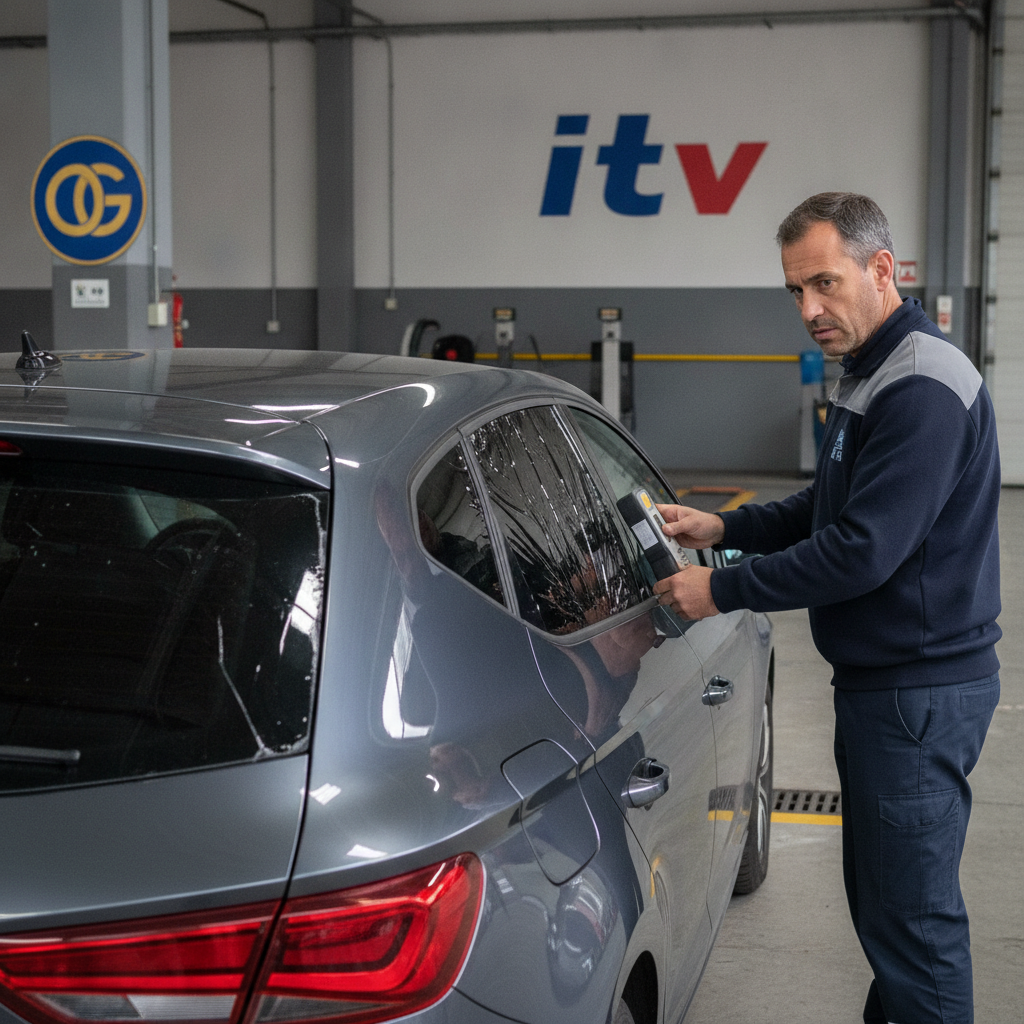
At Caerus Group, we understand that your vehicle is more than just a means of transport; it is a reflection of your lifestyle and personal taste. Many car owners in Spain choose to tint their windows to improve the aesthetic appeal of their vehicle, increase privacy, and protect the interior from the intense Mediterranean sun. However, when the time comes for the mandatory technical inspection, a common question arises: is passing ITV with non-homologated tinted windows in Spain actually possible?
Navigating the complex world of Spanish vehicle regulations can be daunting, especially for expatriates or those unfamiliar with the rigorous standards of the Inspección Técnica de Vehículos (ITV). In this article, we will break down the current legislation, the risks of non-compliance, and how our team at Caerus Group can help you ensure your vehicle meets all legal requirements for registration and inspection.
Understanding the Legal Framework for Window Tinting
In the past, modifying a vehicle with window film required a much more complex process, often involving a technical project and a specific entry in the vehicle’s technical sheet (Ficha Técnica). However, regulations were simplified following the Ministerial Order ITC/1992/2010. Today, you no longer need to pass an extraordinary inspection immediately after installing the film, but the materials used must be "homologated" (certified) by the Spanish authorities or a recognized European body.
The core of the issue lies in the certification. For a tinted window to be legal in Spain, the film must have been tested and approved. This approval ensures that the film does not interfere with the driver’s visibility, does not shatter in a dangerous way during an accident, and maintains specific transparency levels.
The Risk of Passing ITV with Non-Homologated Tinted Windows in Spain
If you are considering passing ITV with non-homologated tinted windows in Spain, you should be aware that it is considered a "Major Defect" (Defecto Grave). Under the current ITV inspection manual, inspectors are required to verify two specific things regarding solar films:
- The Certification Mark: Every tinted window must have a small, indelible mark or sticker placed under the film or etched into the glass. This mark identifies the manufacturer and the laboratory that certified the product.
- The Certificate of Installation: You must carry a physical document issued by the workshop that performed the installation. This document links the specific film used to your vehicle’s chassis number (VIN).
If your windows lack these two elements, your vehicle will fail the ITV. A failure means you are legally prohibited from driving the car except to go to a workshop to rectify the issue and return to the ITV station. Furthermore, driving with non-homologated windows on public roads can result in significant fines from the Guardia Civil or local police, ranging from 200 euros upwards.
The Front Window Rule: A Common Pitfall
One of the most frequent reasons for failing the inspection isn't just the lack of paperwork, but the placement of the tint. In Spain, it is strictly forbidden to tint the windshield or the front side windows (the ones next to the driver and the passenger). This rule is applied regardless of whether the film is transparent or homologated.
The only exceptions to this rule apply to individuals with specific medical conditions (such as extreme sensitivity to UV light), security vehicles, or vehicles owned by individuals under official protection. For the vast majority of drivers, any film on the front windows will lead to an automatic ITV failure. You can find more detailed information on vehicle safety standards and window regulations on official sites like TÜV SÜD, which provides global insights into automotive safety compliance.
How to Rectify Non-Homologated Tinted Windows
If you have purchased a car that already had tints installed without documentation, or if you imported a vehicle with dark windows from another country, you have two main options before heading to the ITV station:
1. Verification and Retrospective Certification: In some rare cases, if the film is of a recognized brand, a specialized center might be able to verify the product and issue a certificate. However, this is difficult and often more expensive than starting over.
2. Removal and Re-installation: The most reliable way to ensure compliance is to remove the non-homologated film. This should be done professionally to avoid damaging the thermal heating elements on the rear window. Once removed, you can have new, homologated film installed by a certified provider who will provide the necessary stickers and paperwork.
Why Choose Caerus Group for Your Vehicle Needs?
At Caerus Group, we specialize in vehicle registrations and legalizations in Spain. We know that importing a car or buying a second-hand vehicle can come with unexpected regulatory surprises. Our expertise extends beyond just selling cars; we are dedicated to ensuring that every vehicle we handle is 100% compliant with Spanish law.
If you are worried about passing ITV with non-homologated tinted windows in Spain, or if you are struggling with the registration of an imported vehicle, our team can provide the guidance you need. We handle the paperwork, technical inspections, and administrative hurdles so you can enjoy your car without the stress of legal non-compliance.
Whether you need a full registration service or advice on how to legalize modifications, Caerus Group is your trusted partner in Spain. We stay up to date with the latest changes in the BOE (Boletín Oficial del Estado) and ITV manuals to ensure our clients never face unnecessary fines or delays.
Conclusion
While tinted windows offer numerous benefits, from UV protection to enhanced privacy, they must be handled with care within the Spanish legal system. Attempting to pass the ITV with non-homologated films is a risk that usually results in failure, extra costs, and legal headaches. Always ensure that your tinting is accompanied by a certificate of installation and the corresponding manufacturer's seals.
Before your next ITV appointment, check your windows. If you find yourself without the proper documentation, contact Caerus Group. We are here to help you navigate the complexities of Spanish vehicle regulations and keep you moving safely and legally on the road.