
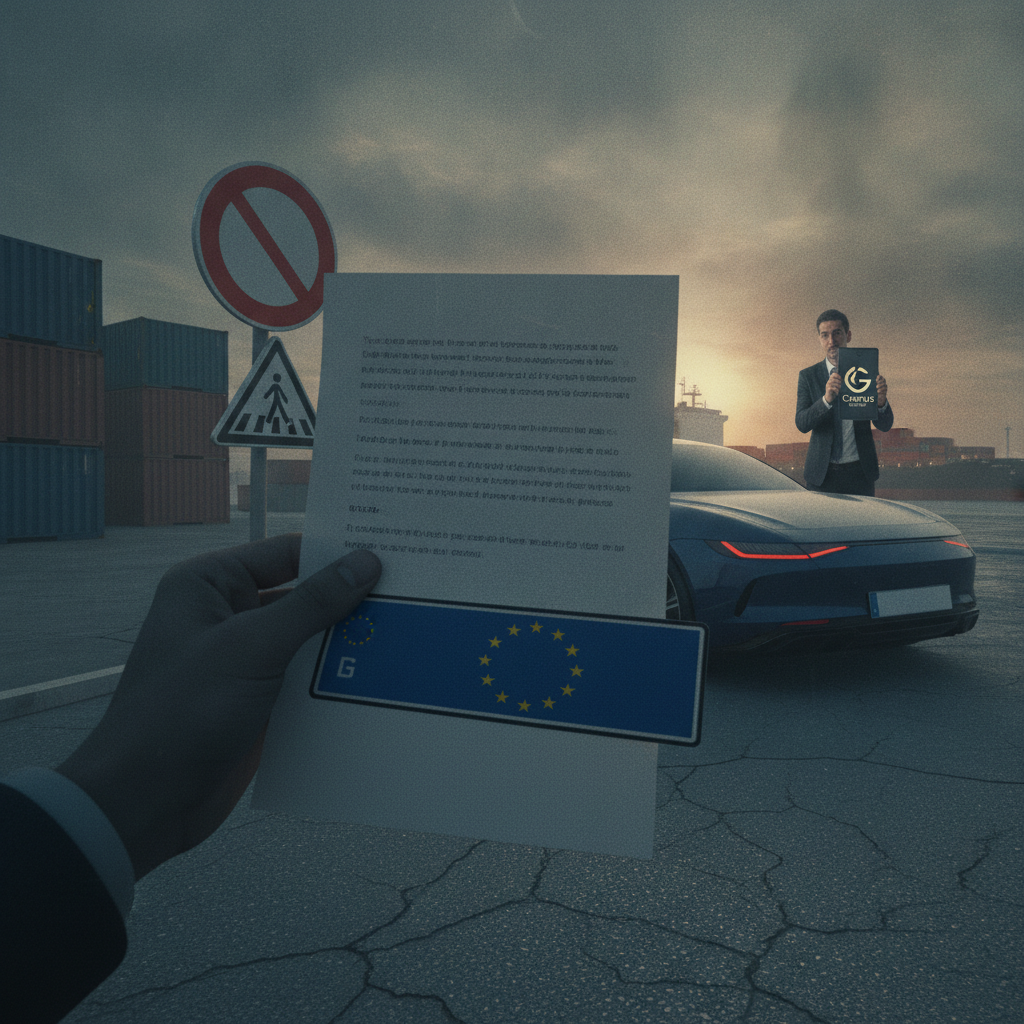
For many car enthusiasts and practical buyers in Spain, the prospect of importing a vehicle from abroad—especially from premium markets like Germany, Belgium, or the Netherlands—is highly attractive. The promise of better-maintained vehicles, higher technical specifications, and competitive price points makes the international market a tempting playground. However, this journey is not without its perils. At Caerus Group, we have seen many individuals fall victim to sophisticated schemes that turn a dream purchase into a financial and legal nightmare. Understanding the landscape is essential before making any international transaction.
The Rising Danger of Common Scams in Imported Cars
When buying a car across borders, you lose the physical proximity that allows for a thorough, hands-on inspection before money changes hands. Scammers take advantage of this distance and the complexity of international regulations. Being aware of the most common scams in imported cars is the first step toward a safe transaction. These fraudulent activities range from simple mechanical deceptions to complex tax evasion schemes that can leave the buyer liable for thousands of euros in fines.
According to the European Consumer Centre Network (ECC-Net), cross-border car purchases are one of the areas with the highest volume of consumer complaints, often involving hidden defects or misleading documentation. Here, we break down the most prevalent threats in the current market.
1. Odometer Fraud (Mileage Clocking)
This is perhaps the most frequent issue encountered in the second-hand market. Manipulating a digital odometer is surprisingly easy for those with the right software. By lowering the mileage by 50,000 or 100,000 kilometers, sellers can artificially inflate the vehicle's value significantly. For the buyer, this doesn't just mean overpaying; it means the car will likely require expensive, major maintenance (such as timing belt replacements or transmission services) much sooner than expected, potentially leading to catastrophic engine failure if these "hidden" milestones are missed.
2. VAT Fraud and "Carousel" Schemes
VAT (Value Added Tax) fraud is a particularly dangerous trap for those importing cars into Spain. In some cases, dishonest dealers will sell a car as "VAT-included," but they fail to remit that tax to the Spanish or home country authorities. In other cases, they use "Triangulation," where a car is moved through multiple shell companies in different EU countries to "disappear" the VAT liability. When you go to register the car with the Spanish Tax Agency (Agencia Tributaria), you might find that you are held responsible for the unpaid VAT, adding a 21% surcharge to your expected cost.
3. Hidden Structural Damage and Salvage Titles
Vehicles that have been in major accidents in the United States or Eastern Europe are often "totaled" by insurance companies. These cars are bought for a fraction of their value, repaired superficially, and then shipped to markets like Spain. To the untrained eye, the car looks pristine. However, the structural integrity of the chassis may be compromised, or the airbags may have been replaced with cheap resistors to trick the dashboard warning lights. These cars are dangerous to drive and nearly impossible to resell once the history is discovered.
4. The "Phantom Listing" Scam
In the digital age, scammers often create fake listings on reputable European car portals. They use photos and descriptions stolen from legitimate ads but offer the car at a price that is "too good to be true." When you contact them, they claim to be in a hurry to sell and ask for a deposit via wire transfer or a non-traceable payment method to "hold the car." Once the money is sent, the seller disappears, and the listing is deleted. Always remember: if the price is significantly lower than the market average, there is usually a reason—or the car doesn't exist at all.
The Complexity of Registration in Spain
Beyond the purchase itself, the process of importing a car involves a mountain of paperwork. At Caerus Group, we specialize not only in sourcing quality vehicles but also in the intricate process of Spanish registration (matriculación). Buying the car is only half the battle; you still must face the ITV (Technical Inspection), pay the Registration Tax (Impuesto de Matriculación) based on CO2 emissions, and handle the municipal road tax.
Many buyers find that their imported car does not meet Spanish environmental standards or lacks the "Certificate of Conformity" (COC). Without this document, registering the vehicle can become a bureaucratic labyrinth that lasts months and costs thousands in "homologación" fees. Scammers often sell cars without a COC or with forged documents, knowing that the buyer will only discover the problem once the car is already on Spanish soil.
How Caerus Group Protects Your Investment
Navigating the international car market shouldn't be a gamble. At Caerus Group, we act as your professional shield against these risks. Our team performs exhaustive background checks on every vehicle, verifying the VIN (Vehicle Identification Number) against international databases to ensure the mileage is genuine and the car has no history of major accidents or theft.
We handle the entirety of the transaction, from negotiating with the foreign seller to managing the logistics and the final registration in Spain. By choosing a professional partner, you eliminate the risk of VAT fraud and documentation errors. We ensure that every car we handle is fully compliant with Spanish law, meaning you can enjoy your new vehicle without worrying about unexpected letters from the tax office or the DGT.
Tips for a Safe Purchase:
If you decide to explore the market on your own, always follow these basic rules:
- Never send a deposit without a signed contract and verification of the seller's identity.
- Request the "Libro de Mantenimiento" (service book) and cross-reference it with the vehicle's digital records.
- Use a professional VIN decoding service to check for "Salvage" or "Rebuilt" titles.
- Ensure the car has a valid European Certificate of Conformity (COC).
- Consult with a specialist like Caerus Group to calculate the exact registration taxes before you buy.
Conclusion
Importing a car can be a fantastic way to get a high-end vehicle at a better price, but the "common scams in imported cars" are a reality that cannot be ignored. The cost of a professional inspection and expert registration services is minimal compared to the potential loss of your entire investment. At Caerus Group, we are dedicated to transparency and excellence, ensuring that your only concern is where to drive your new car first. Whether you are looking for a specific model from Germany or need help registering a vehicle you've already purchased, our experts are here to help you navigate the process safely and efficiently.